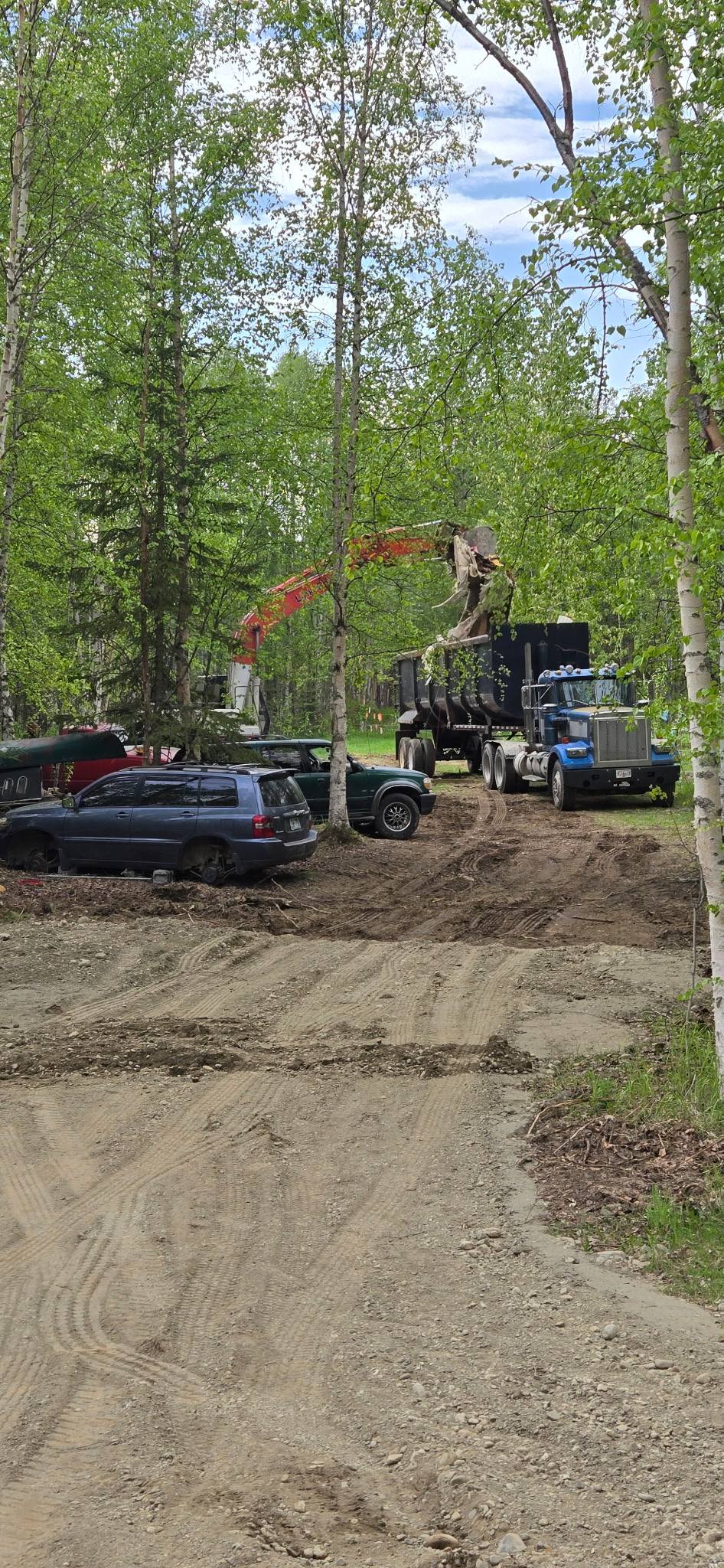
The Future of Excavation: Innovations and Emerging Technologies Mar 10, 2026
One of the most exciting advancements in excavation is the use of robotics and automation. Robots are increasingly being deployed for tasks that are labor-intensive, dangerous, or require extreme precision. Their adoption not only reduces the risk to human workers by avoiding exposure to hazardous conditions but also accelerates project timelines and enhances accuracy. For instance, robotic excavators equipped with sensors and cameras can meticulously dismantle structures or perform excavations precisely, ensuring minimal error and waste.
Another significant trend is the utilization of 3D modeling and simulation software. These tools enable companies like R.L. Moore to plan excavation projects with exceptional detail before ground is broken. By creating virtual designs and simulations, we can predict potential challenges and optimize project plans, which reduces delays and cost overruns. This technology also helps in communication with stakeholders, allowing them to visualize projects in a real-world context, fostering better decision-making and customer satisfaction.
GPS technology has also revolutionized the excavation landscape. By employing GPS systems, we are able to precisely map project sites, leading to accurate digging, faster project completion, and a reduction in fuel consumption, which ultimately cuts costs. This technology is especially beneficial for large projects where maintaining precision across vast expanses of land is critical. Furthermore, GPS-guided machines can operate in poor visibility conditions, such as night work or adverse weather, maintaining productivity and adherence to tight schedules.
Drones are becoming an indispensable tool in site surveying and project monitoring. Equipped with high-resolution cameras and sensors, drones provide a bird’s-eye view of sites, helping in collecting data that was once difficult, time-consuming, and costly to gather. This information is crucial in understanding site topography, assessing project progress, and even in identifying potential environmental impacts. The ability to share real-time visual data with clients not only enhances transparency but also strengthens client trust.
Environmental sustainability is another crucial focus in the future of excavation. Innovative methods such as trenchless technology allow for the installation of underground utilities with minimal surface disruption, reducing environmental footprint. Moreover, the adoption of electric and hybrid machinery, which produce fewer emissions compared to traditional diesel-powered equipment, reflects the industry's commitment to green practices.
To sum up, the future of excavation is bright, powered by a wave of innovation and emerging technologies. At R.L. Moore Excavation Services, we are committed to embracing these advancements to deliver projects that are safer, more efficient, and environmentally conscious. As we continue to invest in new technologies, our goal remains to provide unparalleled services that meet the evolving needs of our clients and contribute to the sustainable growth of the construction industry.
We invite you to connect with us to explore how our innovative approaches in excavation can benefit your next project. At R.L. Moore, we’re not just digging—we’re reimagining the future of excavation.
/filters:no_upscale()/filters:format(webp)/media/6382c643-0068-4bb0-8072-532e6234b816.jpeg)